
Learn
Got Questions About Fitness & Energy? Get Answers Here
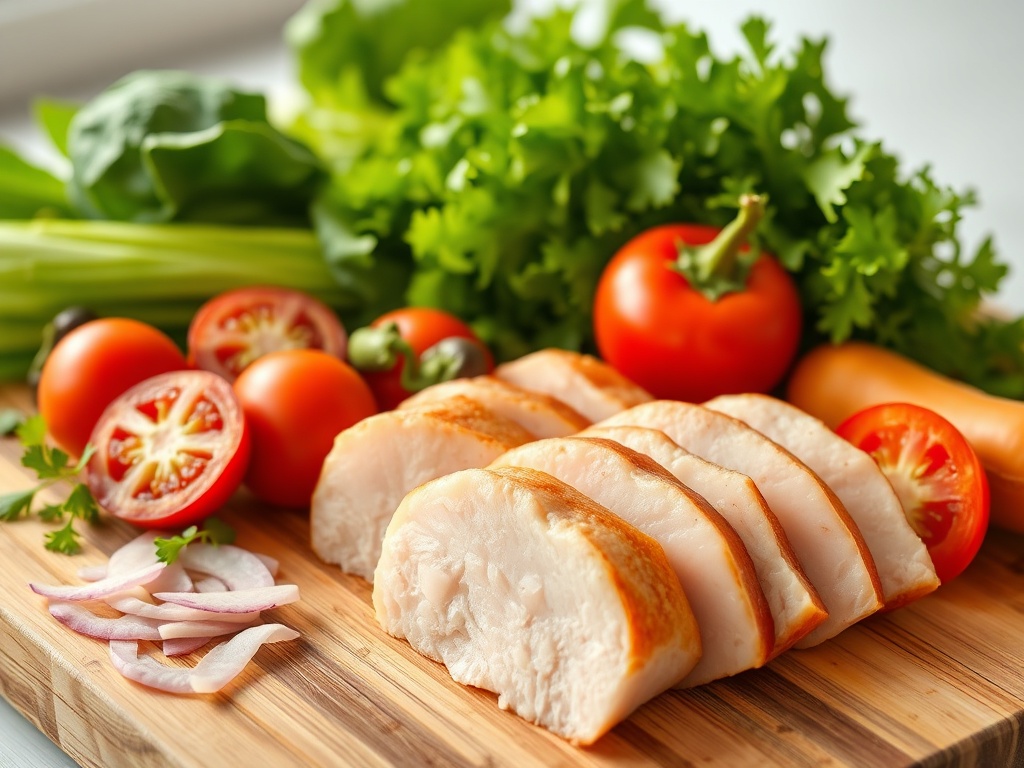
What is a toning diet plan?
A toning diet is designed to build lean muscle while reducing body fat. It focuses on adequate protein intake, balanced macronutrients, and caloric control. This approach supports your fitness training goals and helps maximize results from your workout sessions. Proper nutrition fuels your muscles for recovery and growth.
Why is nutrition important for fitness?
Nutrition directly impacts your energy levels, muscle recovery, and overall performance. Without proper diet support, even intense training yields limited results. A balanced toning diet provides essential nutrients for strength gains and endurance. Quality fuel transforms your training into visible, lasting muscle development and vitality.
What are the core elements of a toning diet plan for men?
Core elements include high-quality protein sources, complex carbohydrates, healthy fats, and micronutrients. Men need sufficient calories to fuel intense workouts while maintaining a slight deficit for fat loss. Strategic meal timing around training sessions enhances muscle protein synthesis. Consistency with these fundamentals builds sustainable results.
How much protein should you consume daily?
For muscle toning and fitness goals, aim for 1.6 to 2.2 grams of protein per kilogram of body weight daily. This supports muscle repair and growth after intense training. Distribute protein across meals for optimal absorption. Quality sources include lean meats, fish, eggs, legumes, and supplements. Adequate protein intake is essential for male vitality.
What carbohydrates work best for fitness?
Choose complex carbohydrates like oats, brown rice, sweet potatoes, and whole grains. These provide sustained energy for demanding workouts and aid muscle recovery. Time carbohydrate intake around training sessions for maximum effectiveness. Avoid refined sugars and processed options. Smart carb choices fuel performance and support your energy levels throughout the day.
How do healthy fats support male energy?
Healthy fats from sources like avocados, nuts, olive oil, and fatty fish support hormone production and overall health. They provide sustained energy and improve nutrient absorption. Include 20-35 percent of calories from quality fats. These fats support testosterone levels and cardiovascular health. Proper fat intake enhances mood, recovery, and male vitality.
Customize your fitness journey with our science-backed diet guides

When should you eat for best results?
Meal timing significantly impacts workout performance and recovery. Eat a balanced meal 2-3 hours before training for sustained energy. Within 30-60 minutes post-workout, consume protein and carbs to jumpstart muscle recovery. Spread meals throughout the day to maintain energy and support metabolism. Strategic nutrition timing maximizes toning diet effectiveness.
Can supplements help with your goals?
Supplements support a solid diet and training program but don't replace whole foods. Whey protein, creatine, and branched-chain amino acids can enhance muscle development and recovery. Multivitamins ensure adequate micronutrient intake for energy and health. Consult professionals before starting supplements. Quality supplements amplify your toning efforts.
How do you adjust your diet for different training intensities?
High-intensity training requires more calories and faster carb absorption for energy and recovery. Moderate training may allow slightly lower calorie intake while maintaining protein. Listen to your body's signals and adjust portions accordingly. Track performance metrics to ensure your diet supports your current training demands. Flexibility is key.
What hydration strategy supports fitness goals?
Proper hydration enhances strength, endurance, and mental clarity during workouts. Drink water consistently throughout the day, not just around training. Aim for half your body weight in ounces daily as a baseline. Increase intake on training days and in hot conditions. Electrolytes support hydration for intense sessions. Water is fundamental to performance.
How do rest days affect your toning diet?
Rest days still require adequate protein and nutrients for muscle recovery and hormonal balance. You may slightly reduce carbohydrate intake on non-training days. Maintain overall nutrition quality even when not training intensely. Rest days are crucial for adaptation and sustainable progress. Proper nutrition supports both activity and recovery periods equally.
What foods should you avoid or minimize?
Limit processed foods, added sugars, and excessive sodium that undermine your toning goals. Alcohol in excess impairs recovery and hormonal function. Avoid deep-fried items and trans fats that add empty calories. Fast food typically lacks nutrient density for your investments in training. Clean eating directly supports visible results and sustained male vitality.

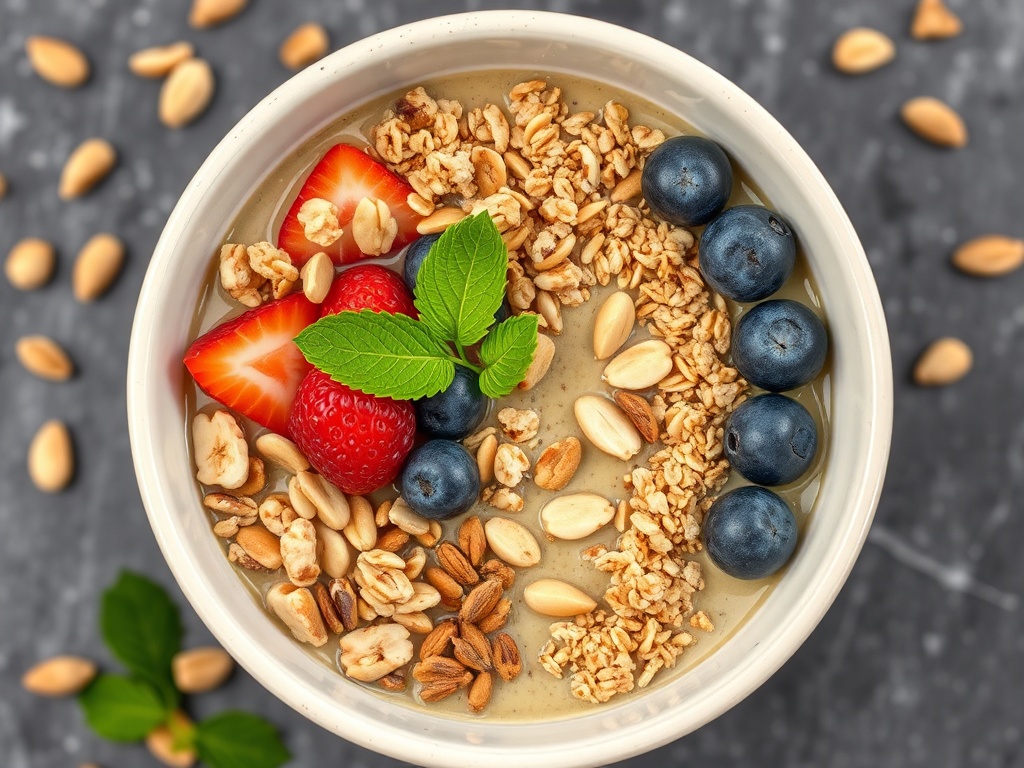
Get your free personalized fitness plan
We have 10+ years of fitness expertise and proven results